The Importance of Sport Ground Maintenance for Performance
If you're responsible for a school playing field, a sports club pitch, or a local authority playing surface, you'll know that a well-kept ground is about far more than appearances. The quality of a pitch has a direct impact on player performance, injury risk, and how much use you can get out of your facility across the seasons. At GMCB Ltd, we've spent years delivering sport ground maintenance across Central Scotland, and we've seen first-hand how the right care programme transforms a surface from merely playable into genuinely high-performing.
Sports ground maintenance is the ongoing care and management of playing surfaces to keep them safe, playable, and performing consistently. It typically includes mowing, aeration, scarification, drainage management, line marking, and seasonal turf care.
In this article, we're taking a closer look at why sport ground maintenance matters so much, and what a proper care regime should include.
Why Sport Ground Maintenance Matters More Than You Might Think
A neglected pitch doesn't just look untidy. Compacted soil, patchy turf, poor drainage, and faded markings all create real problems for the people using the ground. Uneven surfaces increase the risk of slips, trips, and joint injuries. Waterlogged areas can force fixtures to be cancelled at short notice, disrupting fixture lists and frustrating players, parents, and coaches alike. Over time, a poorly maintained ground can develop conditions that create avoidable safety concerns for players and site operators.
On the other hand, a well-maintained pitch supports consistent ball roll and bounce, gives players secure footing, and reduces the wear and tear that leads to costly renovation work further down the line. Whether you're managing a single school playing field or a network of local authority sports grounds, investing in regular grounds care can help reduce the need for more costly remedial work later on.
The Core Elements of Effective Grounds Care
Proper sports ground maintenance isn't a single task; it's a combination of ongoing processes that work together throughout the year. Here's what we focus on when we're looking after a client's pitches.
Regular Turf Care
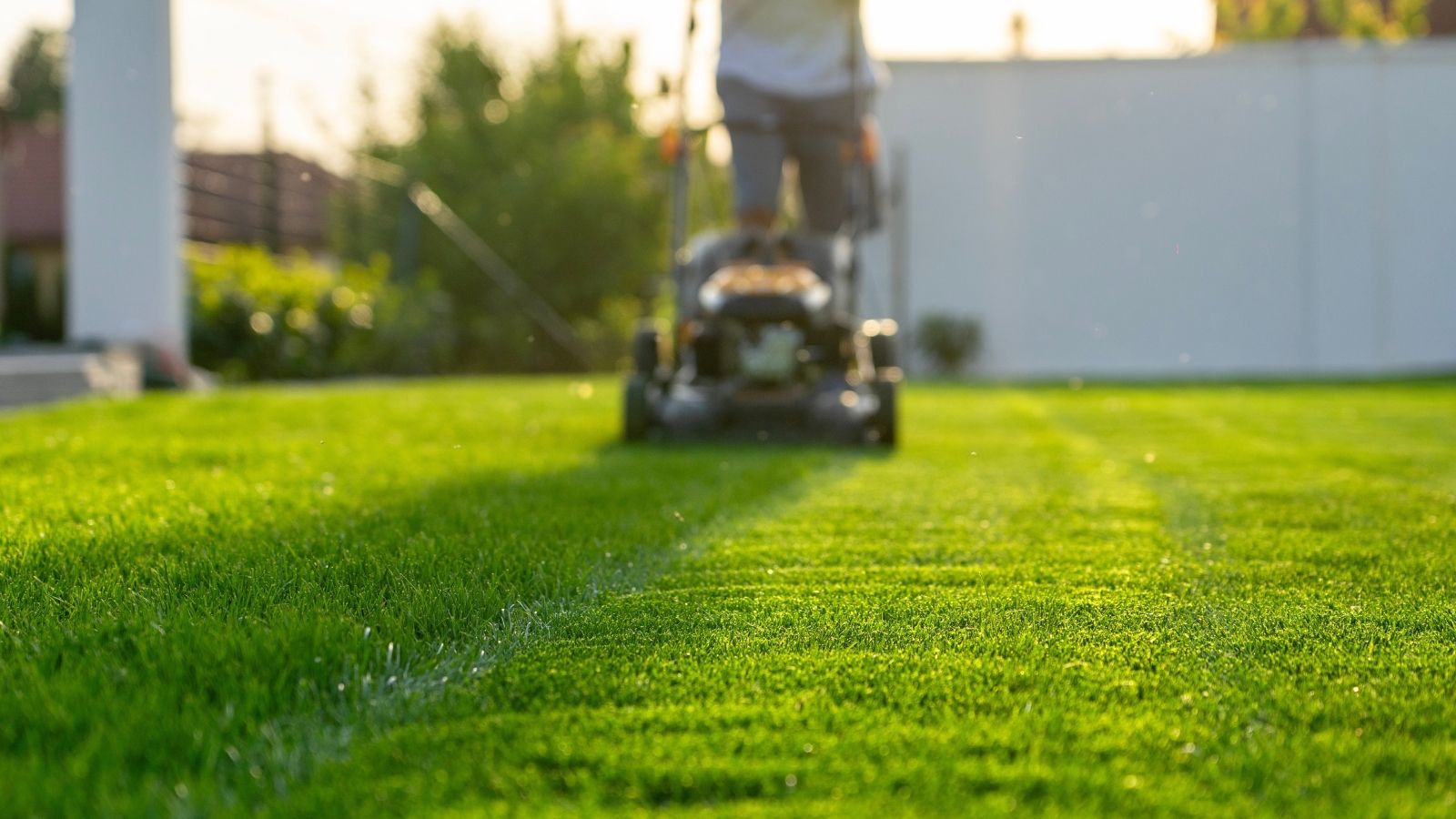
Healthy turf is the foundation of any good playing surface. This means routine mowing at the correct height for the sport being played, along with fertilisation programmes designed to keep grass strong and resilient against heavy footfall. We also recommend scarification, which involves raking out the build-up of moss and thatch that chokes grass roots and stops water and nutrients getting through. Carried out in spring and again at the end of autumn, scarification keeps turf dense, green, and better able to withstand the demands of regular matches and training sessions.
Aeration is another key part of the process. Compacted soil, which is almost unavoidable on pitches that see heavy use, restricts root growth and increases the risk of surface flooding. Regular aeration relieves this compaction, improving air and water movement through the soil and helping grass roots grow deeper and stronger.
Drainage
Few things cause more disruption to a sports fixture than standing water. Poor drainage doesn't just mean cancelled games; it also accelerates wear on the turf, creates dangerous slippery patches, and can lead to long-term damage that's expensive to put right. Effective drainage management includes maintaining existing drainage systems, addressing low spots where water collects, and, where necessary, installing or upgrading drainage infrastructure to suit the specific ground conditions.
For schools and clubs in particular, drainage issues often go unnoticed until a pitch becomes unusable after heavy rain. A proactive approach, checking drainage as part of a routine maintenance schedule rather than waiting for a problem to appear, keeps grounds playable through the wetter months and protects the investment already made in the surface.
Line Marking
Clear, accurate line marking might seem like a small detail, but it plays a genuine role in player safety and game fairness. Faded or incorrect lines can lead to confusion during play and disputes over decisions, and on multi-use pitches marked out for several sports, precision matters even more. Regular re-marking, using durable, weather-resistant paint suited to the surface, keeps pitches looking sharp and ensures officials and players can rely on what they see underfoot.
Seasonal Upkeep

Scotland's climate throws a lot at sports grounds throughout the year, and a maintenance plan needs to reflect that. Spring and summer call for regular mowing, feeding, and pest and weed control to keep turf thriving during the main playing season. Autumn is the time for scarification, aeration, and overseeding to repair the wear built up over the summer and prepare the ground for winter. Come winter, the priority shifts to protecting the pitch from frost damage and, where facilities remain in use, managing the surface carefully to avoid long-term harm from play on cold, wet ground.
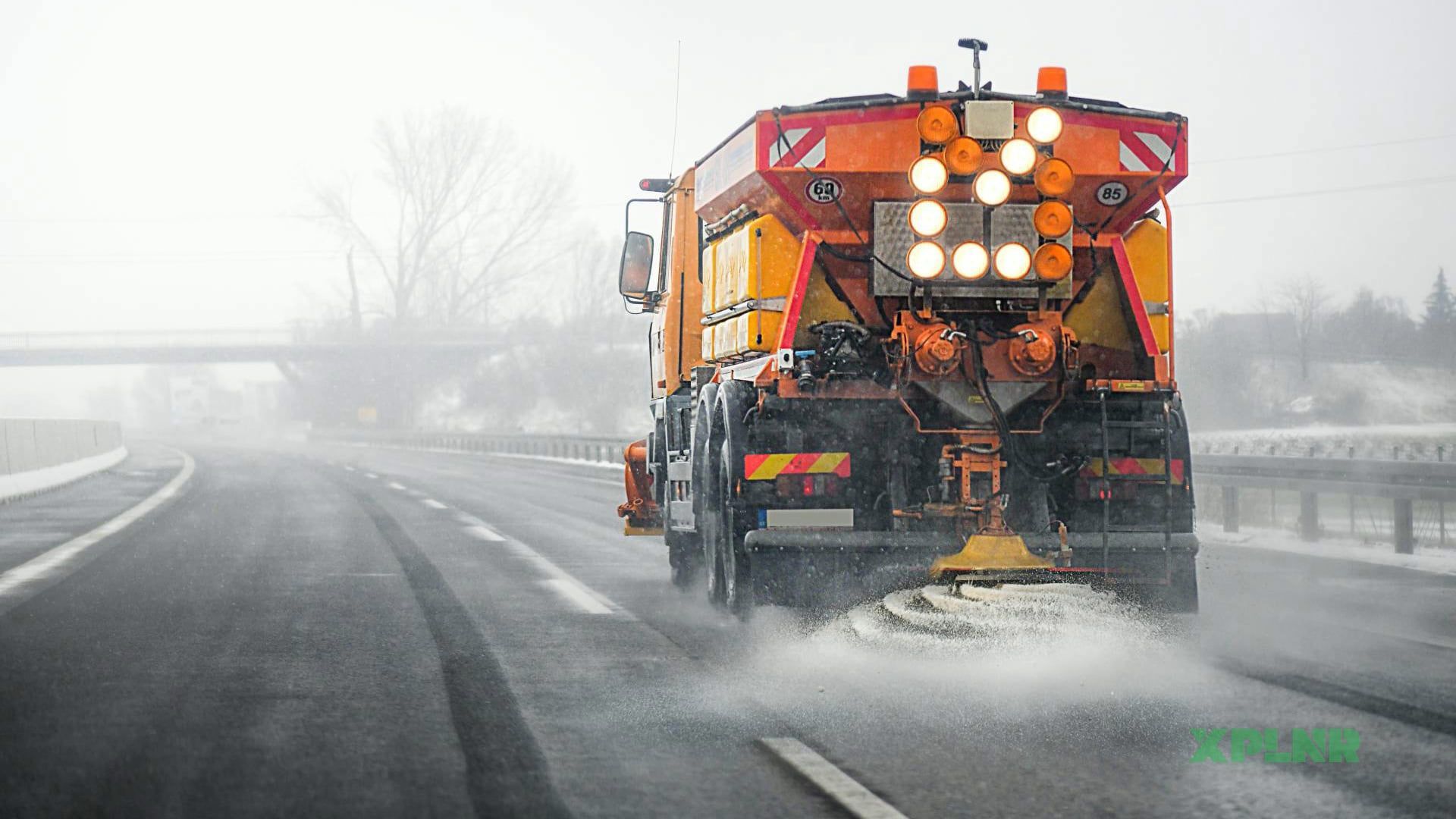
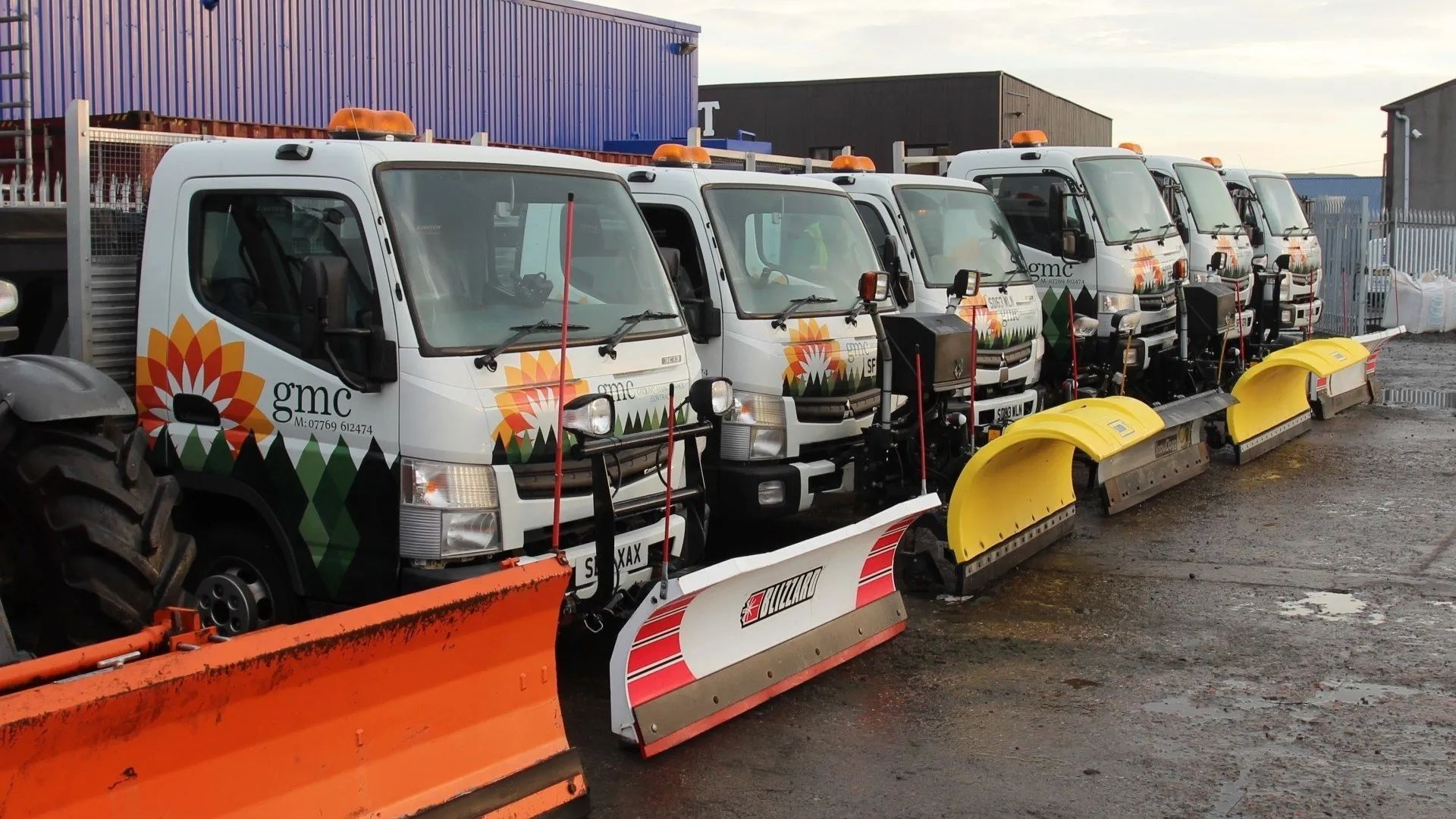
For sites with car parks, paths, or spectator areas, winter maintenance also extends beyond the pitch itself. Gritting and snow clearance keep these areas safe and accessible, so a facility doesn't grind to a halt the moment the temperature drops.
Tailoring Maintenance to Schools, Clubs, and Local Authorities
Every organisation managing sports grounds has its own priorities, and a good maintenance programme should reflect that.
Schools typically need pitches that can handle high volumes of use from PE lessons, after-school clubs, and inter-school fixtures, often on a tighter budget. A maintenance plan for a school ground should focus on durability and safety above all else, since these surfaces are used by children of varying ages and abilities throughout the week.
Sports clubs, whether football, rugby, or bowling, tend to need a higher standard of playing surface to support competitive fixtures and, in some cases, meet governing body requirements for pitch quality. Here, the focus often shifts towards consistency of ball roll, surface levelness, and precise line marking, alongside the routine turf care that keeps the pitch performing well match after match.
Local authorities are usually managing multiple sites across a wider area, each with different usage levels and community needs. For council-run facilities, a coordinated maintenance contract that covers everything from turf care to winter gritting helps ensure consistency across sites, while also making budgeting and planning far more straightforward.
Whatever type of organisation you represent, working with grounds maintenance contractors who understand the specific demands of your sector makes a real difference to the results you see on the ground.
Why Work With a Commercial Grounds Maintenance Company
Sport ground maintenance requires specialist knowledge, from understanding turf biology and pest management to knowing how to operate scarifying and aeration equipment safely and effectively. Trying to manage this in-house, particularly across multiple sites, can quickly stretch resources thin and lead to inconsistent results.
This is where partnering with an experienced commercial grounds maintenance company makes sense. As one of the established grounds maintenance companies operating across Central Scotland, we bring together the equipment, expertise, and year-round planning needed to keep pitches performing at their best, whatever the season. We work with schools, sports clubs, and local authorities to design maintenance contracts that fit their specific facilities and budgets, covering everything from routine turf care and drainage management to line marking and winter gritting.
Get in Touch
If you're responsible for a sports ground and want to see the difference proper grounds care can make, we'd love to hear from you. Our team has over 15 years' experience maintaining pitches, playing fields, and sports facilities across Central Scotland, and we tailor every contract to the needs of the site and the people using it.
Get in touch with GMCB Ltd today for a free quote, and let's talk about how we can help keep your ground safe, playable, and performing at its best all year round.
Sources and Further Reading
Sport England – sportengland.org
Grounds Management Association (GMA) – toolkit.thegma.org.uk
STRI Group – Sports turf research, agronomy consultancy, and pitch performance testing: strigroup.com
Health and Safety Executive (HSE) – Guidance on managing health and safety risks in sport and leisure facilities: hse.gov.uk